Plain-language guides to agricultural automation — costs, payback, regional regulation and sourcing. Written for distributors, farm operators and project buyers, not for engineers.
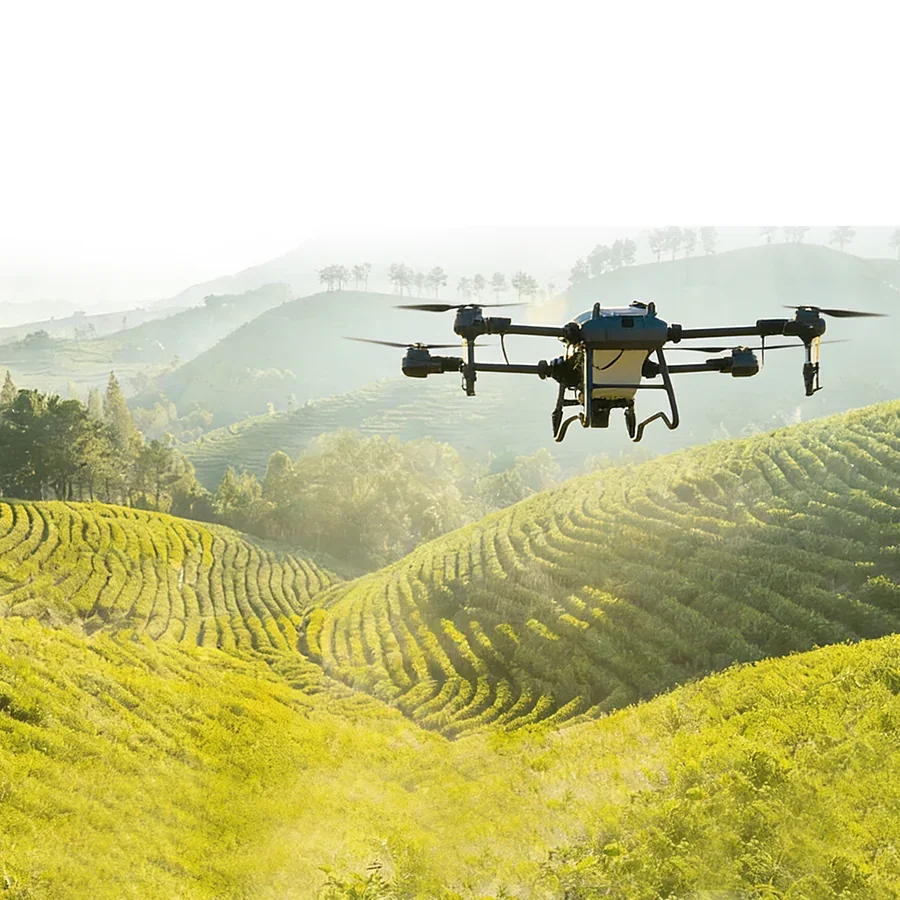
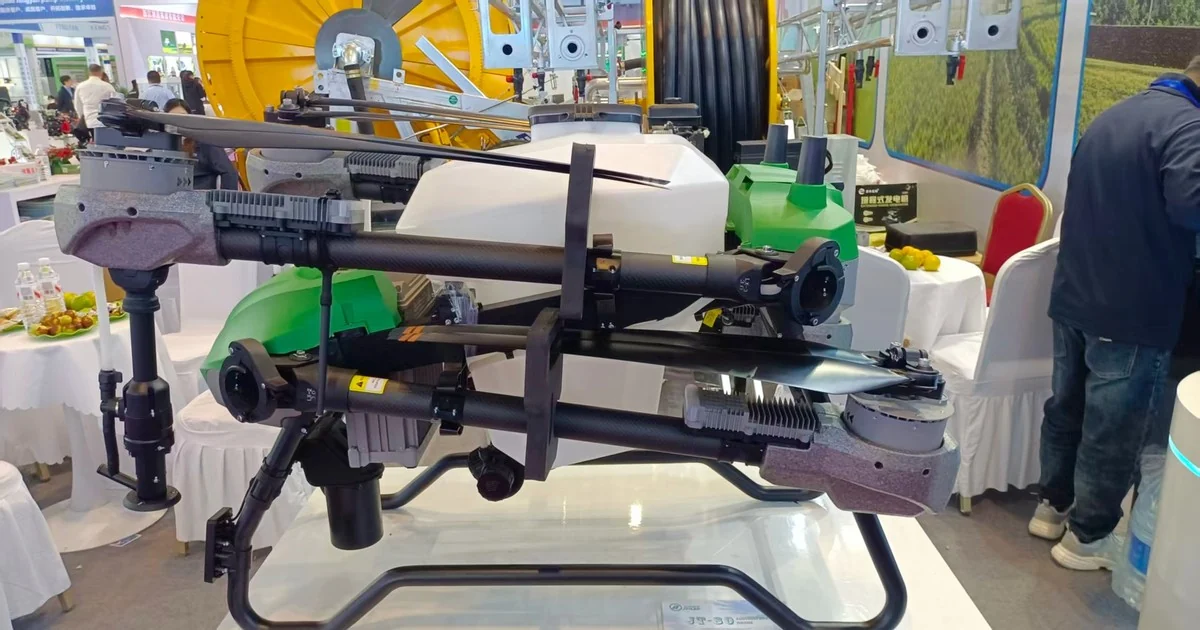
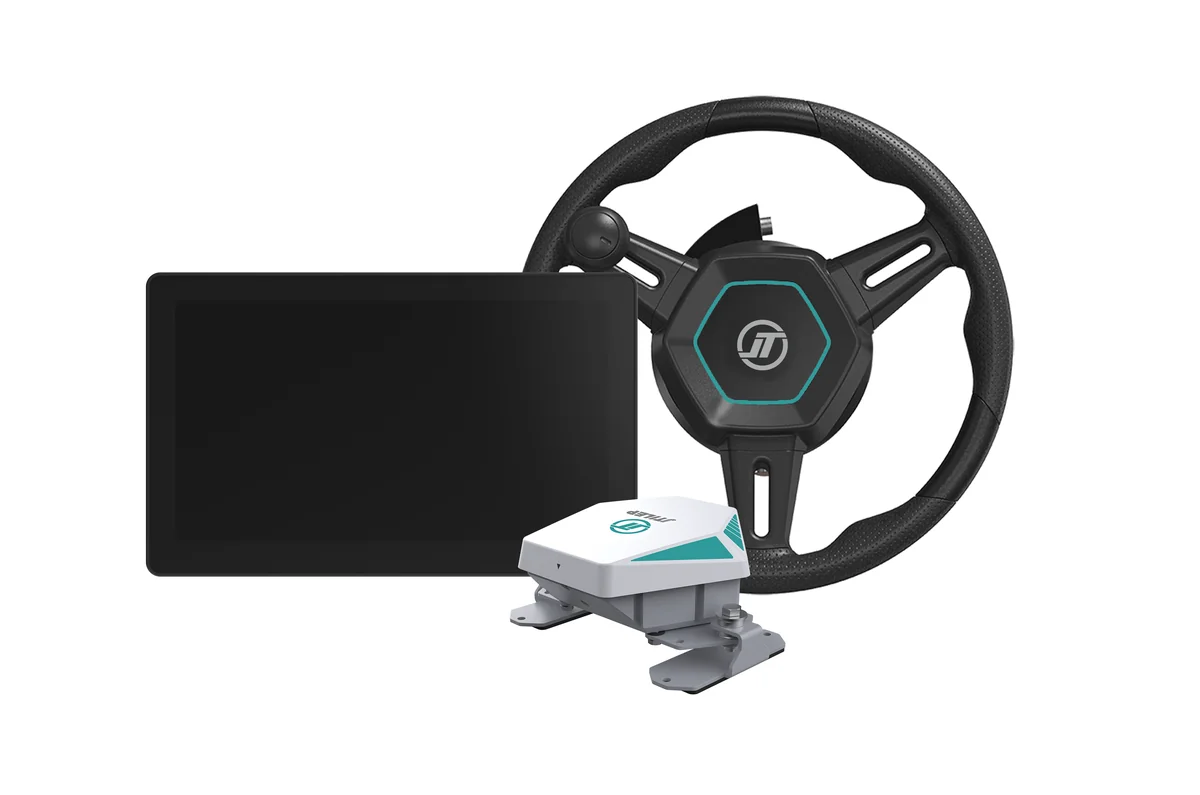
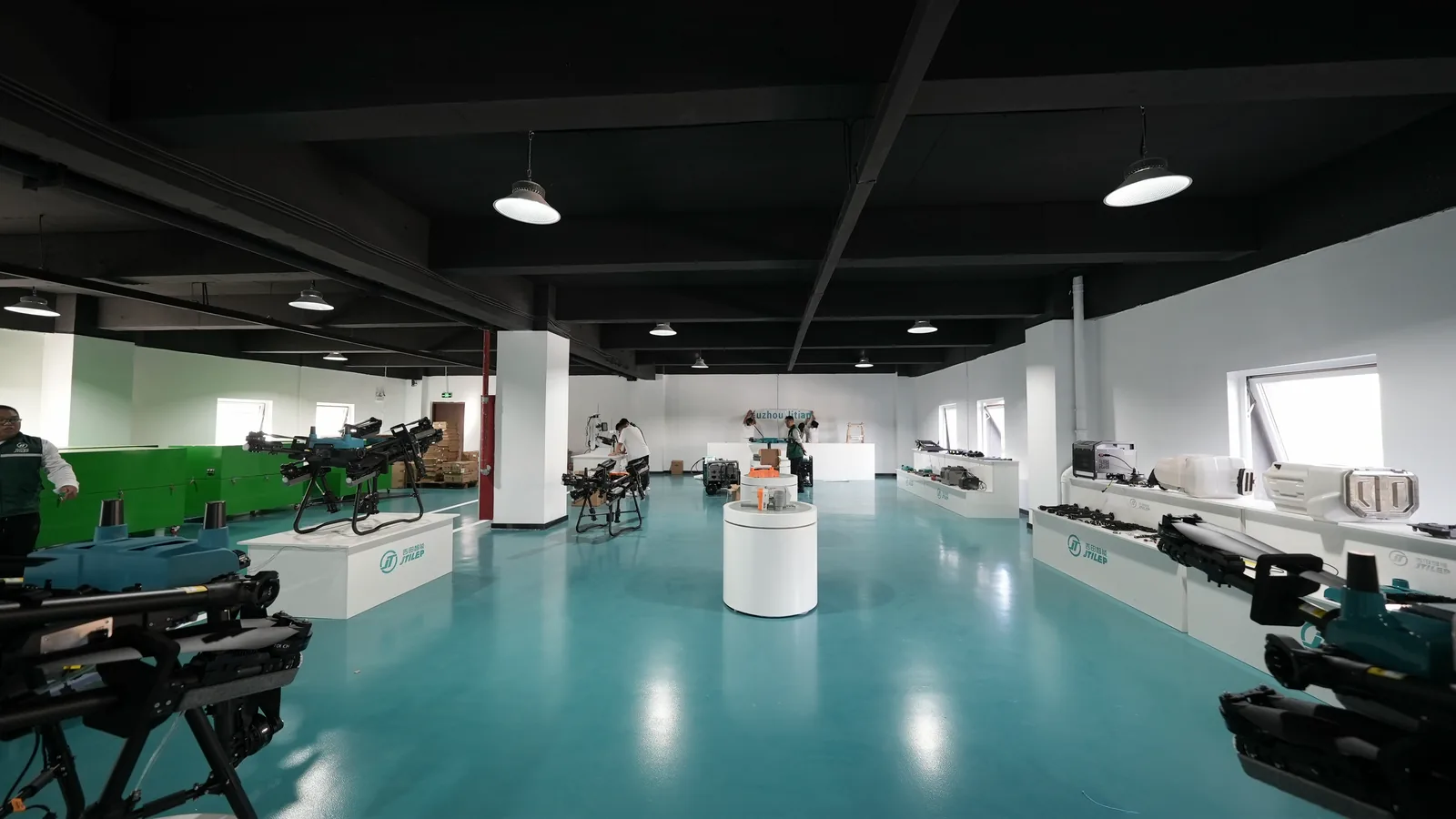
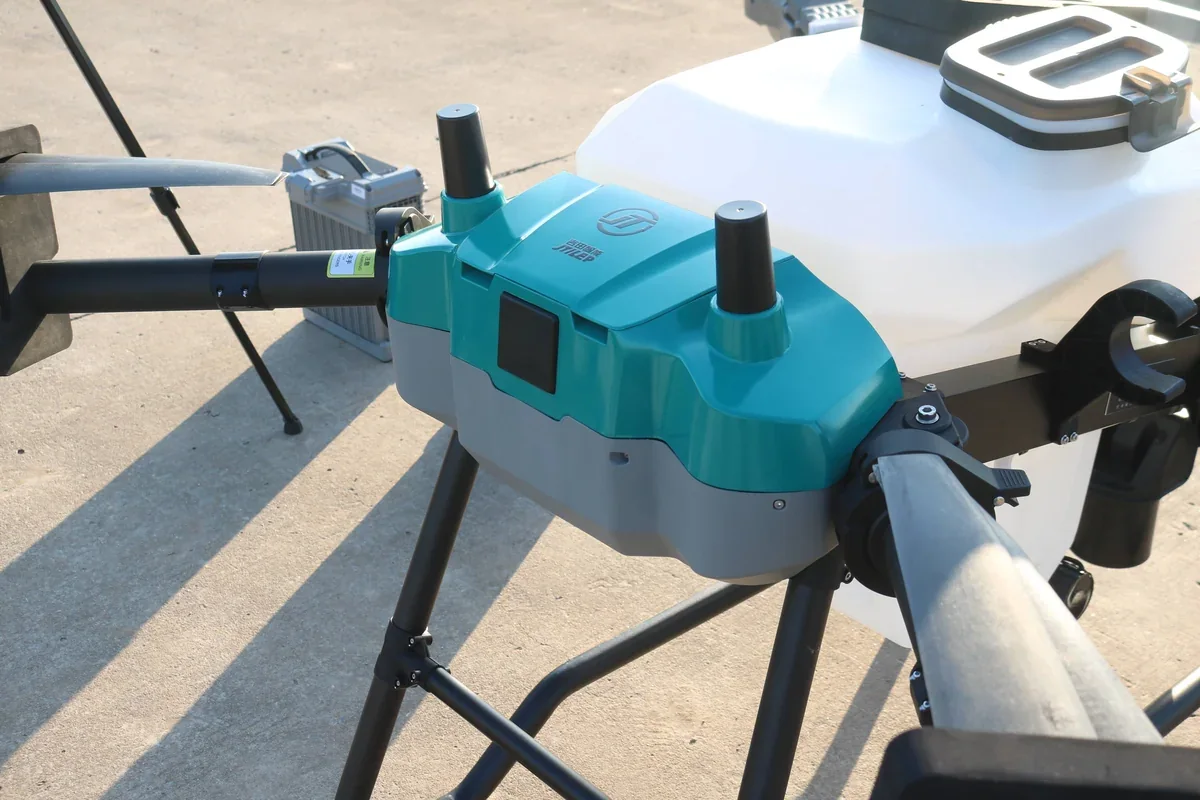
Two production units on show in Tianjin, 26–28 October: the HD818 retrofit auto-steering kit and the JT-80 spray drone with its 70 L spray tank and 100 L spreading hopper.
Read the article →
A commercial agricultural spray drone costs USD 15,000–40,000 as a ready-to-fly aircraft in 2026, but the machine is rarely the whole bill.
Read the guide →
Retrofitting auto-steering onto a tractor you already own costs USD 2,800–3,500 for an entry-level electric-steering kit in 2026 — roughly 35% less than.
Read the guide →
Centimetre-level RTK accuracy depends on a correction source within about 30 kilometres of the machine.
Read the guide →
University modelling places the break-even between owning a spray drone and hiring a contractor at roughly 980 sprayed acres per year — about 400 hectares.
Read the guide →
On the clearest like-for-like benchmark available — one source, one country, one cost definition — a single agricultural drone costs more per hectare than.
Read the guide →
The payload class that fits your farm is decided by two numbers that have nothing to do with the aircraft: the size of your largest single block,
Read the guide →
Smart agriculture uses IoT, drones, auto-steering and AI to make farming autonomous. Learn how the sense-analyse-execute loop works, what adoption costs and how air-ground systems deliver.
Read the guide →
Drones spray from the air; robots work the ground. Compare capabilities, costs and use cases - and use a three-question framework to choose the right agricultural automation for your farm.
Read the guide →Every guide is checked against our own product specifications before it goes live — if a number appears here, we can point to the source.
The wider connected-farming system: precision positioning, aerial and ground sensing, and the AI decision layer that ties them together.
Tractor auto-steering, agricultural drones and how an air-ground system fits together in a single fleet.
OEM versus own brand, MOQ and lead times, certification and export documentation for your destination market.
Growth rates, adoption figures and market sizing from published research — with the source named so you can verify it.
Send it over. The most common ones end up as the next guide — and we will answer yours directly either way.